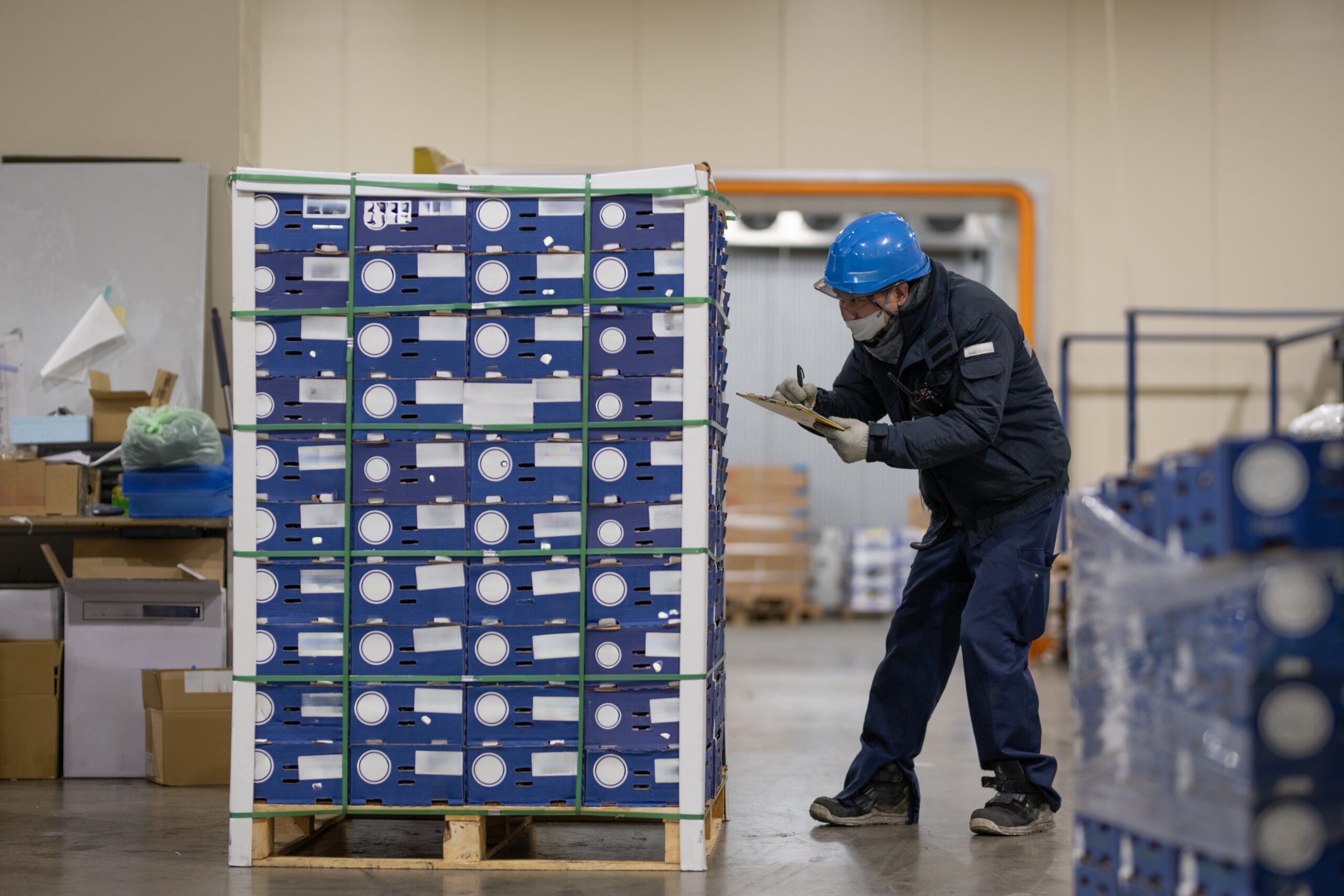




Are grocery store employees covered by workers’ compensation?
North Carolina requires most employers to carry workers’ compensation coverage. North Carolina requires it from employers with 3 or more employees.
Grocery store workers are subject to many hazards at work. Fortunately, most are eligible for benefits under the law.
In both states, workers’ compensation is a program of no-fault insurance. If you are injured on the job, you don’t have to prove that your employer was at fault. Rather, the injury or illness is covered so long as it happened in the course and scope of your job.
Usually, your employer will purchase workers’ compensation insurance coverage. However, your employer can self-insure if they satisfy certain stringent requirements.
Workers’ compensation benefits for injured grocery store workers
The workers’ compensation benefits to which you are entitled generally include the following:
- Cost of medical and rehabilitation treatments, including travel expenses
- Restoration of lost income—up to two-thirds of your average weekly wage
- Partial disability and total disability benefits
- Compensation for disfigurement
- Death benefits to your dependents
Steps to filing a workers’ compensation claim
Here are some steps injured workers should take to get workers’ compensation in these states:
- Seek medical attention. Go to a doctor or hospital as soon as possible after the injury. For purposes of medical treatments, you must use a physician chosen by the workers’ compensation administrator, unless it’s a medical emergency.
- Inform your employer as soon as possible. You must file an accident report within a short time after an accident (30 days in North Carolina). The contents of this report, as well as other required filings, are important for preserving your rights and bolstering your chances of financial recovery. Failure to file a claim within these time frames could cause your workers’ compensation claim to be denied.
- Fill out a workers’ compensation claim form. In North Carolina, the form is known as Form 18. Submit the claim form to your employer, the North Carolina Industrial Commission (NCIC). Be aware that you must file your claim within 2 years after your injury, but it’s recommended that you file it as soon as possible.
The workers’ compensation laws vary by state and are complex. You must follow strict rules for filing your claim. Employers often try to minimize their liability and cost when handling workers’ compensation claims. Some can be unscrupulous and dishonest about it. Therefore, you should contact an experienced workers’ compensation lawyer immediately after your injury.
What are common grocery store worker injuries?
Grocery stores come in various sizes, from small corner markets to large chain stores. They’re busy and dynamic environments, requiring a dedicated team to ensure everything runs smoothly. Because of this, there are a variety of jobs and duties that workers at grocery stores may perform, depending on the specific store and the worker’s role.
There are more hazards for grocery store workers than one might think. The tasks and responsibilities of grocery store workers are diverse and can include working on the loading docks, stocking shelves, managing storage areas, and handling food packaging and preparation.
Given the wide range of duties, it’s not surprising that workers may incur multiple types of injuries.
Some of the common injuries workers may suffer include the following:
- Sprains and strains are commonly suffered by managers, cashiers, baggers, and stock handlers.
- Back injuries are common among supermarket workers, such as those at Kroger or Walmart. These injuries often result from lifting heavy items, including milk crates and boxes. They can occur due to improper lifting techniques or repetitive bending and twisting throughout the workday.
- Cuts, abrasions, and even severed fingers from knives, box cutters, and other sharp objects are common among food prep workers and stock handlers.
- Slip and fall injuries are common among stocker handlers and others who work in aisles.
- Broken bones and head injuries can occur from falling objects or motor vehicle accidents (especially among delivery drivers).
- Repetitive stress injuries (like carpal tunnel) often occur in workers like cashiers and food prep workers who perform the same motions repeatedly. These injuries are the most commonly reported injury among grocery store employees, accounting for more than 70% of injuries.
- Occupational diseases are a risk for workers like custodians who have long-term exposure to toxic chemicals or substances.
- Illness from bacterial infections can occur in stockers and food prep workers exposed to bacteria from raw foods.
- Shoulder injury is another common complaint among supermarket workers, particularly those in stocking or unloading roles. Repetitive overhead motions like reaching for high shelves or lifting heavy boxes can strain the rotator cuff muscles, leading to pain and limited mobility. Please note that it’s common for insurance companies to wrongfully deny claims for shoulder injuries caused by repetitive stress. If this happens to you, be sure to reach out to a shoulder injury attorney for help with an appeal.
- Hip injuries in grocery store workers can result from prolonged standing, repetitive movements, or slips and falls on wet or uneven surfaces. These injuries are often exacerbated by tasks that require frequent bending, lifting, or carrying heavy loads, leading to strain and discomfort in the hip area.
Additionally, all grocery employees are at risk of physical and emotional injuries from violent customers or coworkers.
How can an attorney help with a workers’ compensation claim?
Filing for workers’ compensation can be overwhelming and confusing.
An attorney can guide you through the legal system and help you get maximum compensation by doing the following:
- File your claim. An attorney can assist in determining if you’re eligible to file a workers’ compensation claim and if all requirements are met. They can also help ensure that your claim is filed correctly and within the appropriate time frame.
- Negotiate better benefits. An attorney knows how much your claim should be worth and can negotiate with your employer and their insurer to get you maximum benefits.
- Help with the appeals process. An attorney understands the appeals process. They can build a case and represent you in front of the Workers’ Compensation Commission if needed.
- Overcome challenges. An attorney can assist in overcoming any challenges that may arise during the claim process, such as disputes over the cause of the injury or disagreements over the amount of the benefits that should be awarded.
- Help with your recovery. An attorney can take on the legal responsibilities and paperwork of the claim process, allowing you to focus on your healing and recovery.